
Local government has long been considered the most accessible and community-focused level of governance. It is where policy meets everyday life—where decisions about schools, roads, safety, and zoning directly impact residents. However, recent developments have exposed cracks in this foundational system.
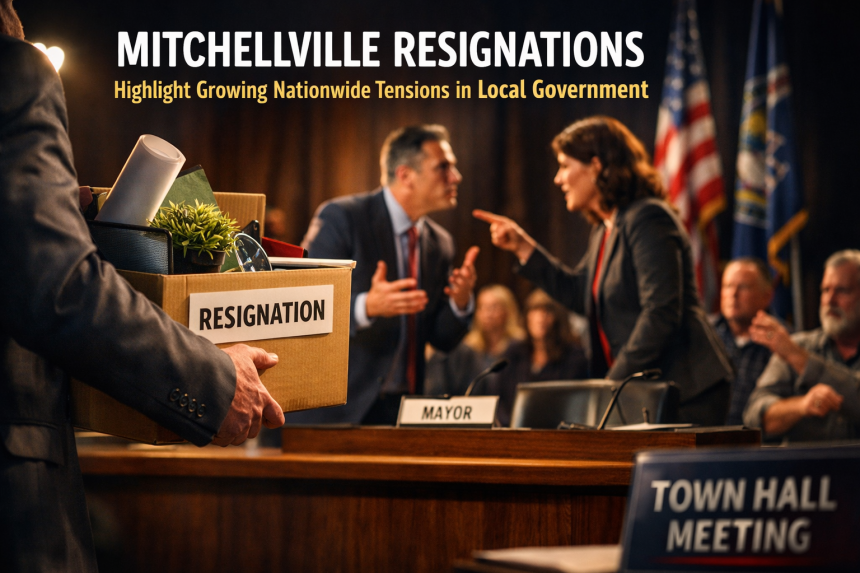
The phrase “Mitchellville resignations highlight growing nationwide tensions in local government” is not just a headline—it reflects a deeper, systemic issue unfolding across cities and towns. In Mitchellville, a wave of resignations among key officials has sparked concern, debate, and introspection.
While the specifics of each resignation vary, the broader narrative points to escalating pressures faced by local leaders. These pressures are not unique to one town; they are symptomatic of a nationwide trend fueled by political polarization, increasing public scrutiny, and the evolving expectations of governance.
Understanding the Mitchellville Resignations
A Snapshot of Events
The recent resignations in Mitchellville did not occur in isolation. Instead, they unfolded over a period marked by heightened disagreements, public disputes, and administrative challenges. Officials cited various reasons for stepping down, including burnout, political pressure, and conflicts within governing bodies.
While some resignations were sudden, others followed months of visible tension. Public meetings became more contentious, debates grew more polarized, and decision-making processes appeared increasingly strained. Residents began to notice a shift—not just in leadership but in the overall tone of governance.
Immediate Impact on the Community
The departure of experienced officials creates a vacuum that can disrupt continuity. Projects may stall, policies may be delayed, and institutional knowledge may be lost. In Mitchellville, these consequences have already begun to surface.
Residents are left questioning the stability of their local government. Trust, once taken for granted, becomes fragile. Moreover, new or interim leaders must navigate an already tense environment, often without the benefit of long-standing relationships or experience.
The Broader Context: Nationwide Trends in Local Government Tension
A Rising Pattern Across the Country
The situation in Mitchellville is not unique. Across the nation, local governments are experiencing similar challenges. Reports of resignations, early retirements, and leadership conflicts are becoming more frequent.
This pattern reflects a broader shift in the political and social landscape. Local officials, once relatively insulated from national-level disputes, are now at the forefront of contentious debates. Issues such as public health, education, and policing have become highly politicized, placing additional strain on local leaders.
The Influence of National Politics
One of the key drivers behind the trend highlighted by Mitchellville resignations highlight growing nationwide tensions in local government is the increasing overlap between local and national politics.
Local decisions are no longer viewed in isolation. Instead, they are often interpreted through a national lens, influenced by partisan narratives and media coverage. This dynamic intensifies pressure on local officials, who must navigate not only community concerns but also broader political expectations.
Key Factors Contributing to Local Government Tensions
Political Polarization
Political polarization has reached unprecedented levels, and its effects are deeply felt at the local level. Community issues that were once resolved through compromise are now sources of division.
Local officials often find themselves caught between opposing factions, each demanding unwavering support. This environment makes collaboration difficult and increases the likelihood of conflict.
Increased Public Scrutiny
The rise of social media and digital communication has transformed how residents engage with their local government. While this increased accessibility can enhance transparency, it also amplifies criticism.
Officials are under constant observation, with their decisions scrutinized in real time. Mistakes or unpopular choices can quickly escalate into public controversies, adding to the stress and pressure of leadership roles.
Administrative and Operational Challenges
Beyond political factors, local governments face practical challenges that contribute to tension. Budget constraints, staffing shortages, and evolving regulatory requirements create a complex operating environment.
Leaders must balance limited resources with growing demands, often making difficult decisions that may not satisfy all stakeholders. These challenges can strain relationships within governing bodies and with the public.
Personal and Professional Burnout
The cumulative effect of these pressures is burnout. Local officials frequently juggle demanding responsibilities with limited support. The emotional toll of constant conflict, public criticism, and high expectations can lead to exhaustion.
In many cases, resignation becomes a necessary step for personal well-being. The Mitchellville resignations serve as a stark reminder of the human element behind governance.
The Human Side of Governance
The Emotional Toll on Leaders
Behind every resignation is a personal story. Local officials are not just policymakers; they are members of the community, often balancing public service with personal and professional commitments.
The stress associated with their roles can have significant emotional and psychological impacts. Constant scrutiny, heated debates, and the pressure to make difficult decisions can lead to anxiety, frustration, and burnout.
The Loss of Institutional Knowledge
When experienced officials step down, they take with them valuable knowledge and expertise. This loss can hinder the effectiveness of local government, as new leaders must learn the complexities of their roles from scratch.
In Mitchellville, the cumulative effect of multiple resignations has raised concerns about continuity and long-term planning. Rebuilding this knowledge base takes time and resources.
Community Trust and Its Fragility
Erosion of Confidence
Trust is a cornerstone of effective governance. When residents perceive instability or conflict within their local government, confidence can quickly erode.
The Mitchellville resignations highlight growing nationwide tensions in local government by illustrating how quickly trust can be compromised. Transparency, accountability, and consistent communication become even more critical in such situations.
Rebuilding Relationships
Restoring trust requires deliberate effort. Local governments must engage with residents, address concerns, and demonstrate a commitment to effective leadership.
Open dialogue, community involvement, and clear communication are essential components of this process. While challenging, rebuilding trust is not impossible—it simply requires time and consistency.
Media’s Role in Shaping the Narrative
Amplification of Conflicts
Media coverage plays a significant role in shaping public perception. Stories about resignations and conflicts can quickly gain traction, influencing how residents view their local government.
While media attention can bring important issues to light, it can also amplify tensions. Sensationalized reporting may focus on conflict rather than context, contributing to a more polarized environment.
The Need for Balanced Reporting
Balanced and nuanced reporting is essential for fostering understanding. By providing context and highlighting multiple perspectives, media outlets can contribute to more informed public discourse.
In the case of Mitchellville, comprehensive coverage can help residents understand the complexities behind the resignations rather than viewing them as isolated incidents.
Lessons from Mitchellville
Identifying Warning Signs
The events in Mitchellville offer valuable insights into the warning signs of rising tension within local government:
- Increasingly contentious public meetings
- Frequent disagreements among officials
- Delays in decision-making and policy implementation
- Growing public dissatisfaction and criticism
Recognizing these signs early can help communities address issues before they escalate.
Proactive Strategies for Stability
To mitigate tensions, local governments can adopt proactive strategies such as:
- Encouraging open communication among officials
- Providing support and resources for leadership roles
- Promoting transparency and accountability
- Engaging with the community to build trust
These approaches can help create a more resilient and collaborative governance environment.
The Future of Local Governance
Adapting to Changing Expectations
As societal expectations evolve, local governments must adapt. Residents increasingly demand transparency, inclusivity, and responsiveness. Meeting these expectations requires innovation and flexibility.
The challenges highlighted by Mitchellville resignations highlight growing nationwide tensions in local government underscore the need for a new approach to governance—one that prioritizes collaboration, communication, and resilience.
Opportunities for Reform
While the current landscape presents challenges, it also offers opportunities for reform. By addressing underlying issues and implementing effective strategies, local governments can emerge stronger.
Investing in leadership development, fostering a culture of collaboration, and leveraging technology for engagement are key areas for improvement.
Frequently Asked Question
What caused the Mitchellville resignations?
The resignations were driven by a combination of political pressure, internal conflicts, burnout, and increasing public scrutiny.
Are these issues unique to Mitchellville?
No, similar tensions and resignations are occurring in local governments across the country.
How do resignations affect local communities?
They can disrupt governance, delay projects, and reduce public confidence in leadership.
What role does political polarization play?
Polarization intensifies disagreements and makes collaboration among officials more difficult.
How can local governments reduce tension?
By improving communication, supporting leaders, and engaging with the community transparently.
Why is public trust important in local government?
Trust ensures cooperation, compliance, and confidence in decisions that affect daily life.
What can residents do to help?
Residents can participate in meetings, stay informed, and engage constructively with local leaders.
Conclusion
The phrase “Mitchellville resignations highlight growing nationwide tensions in local government” captures more than a local issue—it reflects a widespread challenge facing communities everywhere. The pressures on local leaders are intensifying, driven by political polarization, public scrutiny, and operational complexities. Mitchellville serves as both a cautionary tale and an opportunity for reflection.