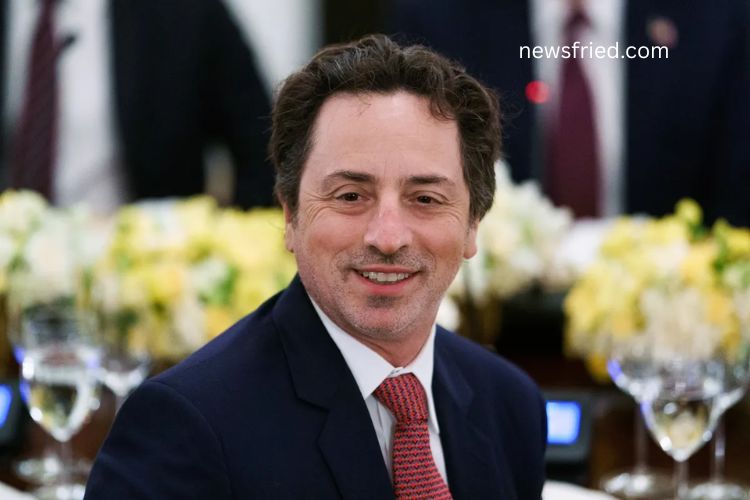
Sergey Brin, co-founder of Google and one of the world’s wealthiest tech figures, is making waves in California politics. Months after relocating from the Golden State to Nevada, Brin is pouring millions into the political landscape, backing multiple candidates and influencing campaigns in a state he once called home. His moves signal a new chapter in the intersection of tech wealth and political power.
Read More: When Racism Invades the Courtroom, Idaho Suffers a Devastating Loss Beyond Decorum | Opinion
Betting Big on the Governor’s Race
Brin has recently thrown his financial weight behind Fox News contributor Steve Hilton, a Republican candidate vying for California governor. Hilton, known for his tenure as a former adviser to British Prime Minister David Cameron, has received significant support from Brin, including a $39,200 donation recorded in the latest campaign filings.
This contribution highlights Brin’s willingness to shape political outcomes, even in a state where he no longer resides. Hilton’s candidacy brings together a mix of media influence and political experience, which may appeal to voters seeking a fresh approach to governance in California.
Personal Ties and Strategic Influence
Brin’s support for Hilton is more than a simple political contribution. Hilton’s wife, Rachel Whetstone, served at Google from 2005 to 2015, managing communications and public policy efforts for the tech giant. This connection underscores the intertwining of personal and professional networks in political campaigns, where relationships can significantly influence funding decisions.
By backing Hilton, Brin is not only supporting a candidate but also reinforcing ties within a network of trusted associates. These relationships can play a pivotal role in campaign strategy, messaging, and outreach, particularly in a competitive race like California’s gubernatorial election.
Diversifying Political Investments
Brin’s political engagement extends beyond a single candidate. Reports indicate that he is also bankrolling other gubernatorial candidates and supporting various political initiatives across the state. This multi-pronged approach reflects a strategy to maximize influence and hedge bets, ensuring that his interests are represented regardless of the election outcome.
Such large-scale political spending by billionaires has drawn public attention and debate. Critics argue that it raises concerns about the disproportionate impact of wealth on democratic processes, while supporters suggest that informed and engaged donors can provide valuable resources and expertise to campaigns.
From Silicon Valley to Political Power
Sergey Brin’s journey from tech entrepreneur to political influencer exemplifies the broader trend of Silicon Valley figures leveraging wealth and visibility to shape public policy. After co-founding Google in 1998 alongside Larry Page, Brin helped transform the technology landscape, building one of the world’s most powerful companies.
Now, his focus extends beyond technology and into governance. By investing in political campaigns, Brin demonstrates how high-net-worth individuals can influence policy decisions, candidate visibility, and voter engagement. His actions reflect a growing intersection of technology, money, and politics, raising questions about the role of private wealth in public decision-making.
California Politics in a New Light
California, a state known for its progressive policies and Democratic stronghold, is seeing increased activity from Republican candidates backed by wealthy donors. Hilton’s campaign, energized by Brin’s support, represents an attempt to reshape the political narrative and challenge established party dominance.
The presence of billionaire backing also amplifies media attention and public discourse. In a crowded political field, candidates like Hilton gain a competitive edge, leveraging both financial resources and personal connections to secure visibility, endorsements, and voter engagement.
Potential Implications and Public Reaction
Brin’s involvement in California politics has sparked conversations about the ethics and impact of wealthy donors in state elections. While his contributions are legal and publicly disclosed, they underscore the significant influence a single individual can wield in shaping political outcomes.
Voters and political analysts are watching closely, assessing how such contributions might affect candidate messaging, campaign strategies, and policy priorities. Hilton’s campaign, bolstered by Brin’s support, may benefit from a combination of media attention, organizational guidance, and financial backing that smaller campaigns often lack.
Beyond California: A Broader Trend
Sergey Brin’s political engagement is part of a wider trend of tech billionaires investing in U.S. politics. Figures from Silicon Valley increasingly see political involvement as a means to protect business interests, promote policy initiatives, or support ideological allies.
These investments are not limited to federal elections. State-level races, including gubernatorial contests, are becoming battlegrounds where tech wealth can influence local governance, policy priorities, and legislative agendas. Brin’s contributions exemplify how strategic funding can extend beyond party lines and geographic boundaries.
Strategic Motivations Behind Brin’s Support
Several factors likely influence Brin’s political decisions. First, supporting a candidate like Steve Hilton aligns with certain policy preferences, potentially impacting regulatory environments, taxation, or technology legislation. Second, personal connections, such as Hilton’s ties to former Google executives, can foster trust and alignment on key issues.
Finally, political contributions offer an avenue for visibility and influence. By backing candidates and initiatives, Brin ensures that his voice and interests are considered in shaping California’s future. This strategic approach is consistent with the broader role of high-profile donors in modern elections, where financial support often translates into access and influence.
What’s Next for California Politics?
As the gubernatorial race heats up, Brin’s involvement will likely continue to attract scrutiny from voters, media, and political analysts. Candidates receiving substantial support from billionaires may face questions about independence, priorities, and potential conflicts of interest.
For California voters, these dynamics underscore the importance of understanding where campaign funding originates and how it might shape policy decisions. For candidates, billionaire backing can be both an asset and a source of heightened accountability.
Frequently Asked Questions:
Who is Sergey Brin supporting in the California governor’s race?
Sergey Brin, the Google co-founder, is backing Steve Hilton, a Republican candidate and former adviser to British Prime Minister David Cameron. Hilton is also known as a Fox News contributor.
Why is Brin’s support for Hilton significant?
Brin’s involvement is notable because he is a billionaire with substantial influence and financial resources. His contributions highlight how wealthy donors can shape political campaigns and bring national attention to a candidate.
How much has Brin contributed to Hilton’s campaign?
Recent campaign filings indicate that Brin donated $39,200 to Steve Hilton’s gubernatorial campaign. He is also reportedly funding other political initiatives in California.
Does Brin have any personal connections to Hilton?
Yes. Hilton’s wife, Rachel Whetstone, previously worked at Google from 2005 to 2015, managing communications and public policy. This connection reflects the intertwining of personal and professional networks in political support.
Why is Brin influencing California politics if he moved to Nevada?
Although Brin relocated to Nevada, he maintains ties to California and is invested in shaping its political landscape. Supporting candidates in the state allows him to influence policy outcomes and safeguard interests tied to California’s economy and technology sector.
What has been the public reaction to Brin’s political contributions?
Reactions are mixed. Some view billionaire involvement as a way to strengthen campaigns with expertise and resources, while others raise concerns about the disproportionate influence of wealth in democratic processes.
How does Hilton’s campaign benefit from Brin’s support?
Brin’s backing provides Hilton with financial resources, media visibility, and strategic credibility. Such support can be critical in building voter awareness, running advertisements, and organizing campaign events.
Conclusion
Sergey Brin’s bold support of Republican Steve Hilton in California’s gubernatorial race highlights the growing influence of wealthy individuals in shaping political outcomes. Beyond a simple donation, Brin’s involvement underscores the strategic power of personal networks, financial resources, and media visibility in modern campaigns. While his backing sparks debate about the role of billionaires in democracy, it also demonstrates how high-profile figures can impact policy discussions, candidate visibility, and voter engagement. As California heads toward a pivotal election, Brin’s engagement serves as a clear example of how wealth, influence, and politics intersect in the state’s dynamic political landscape.