
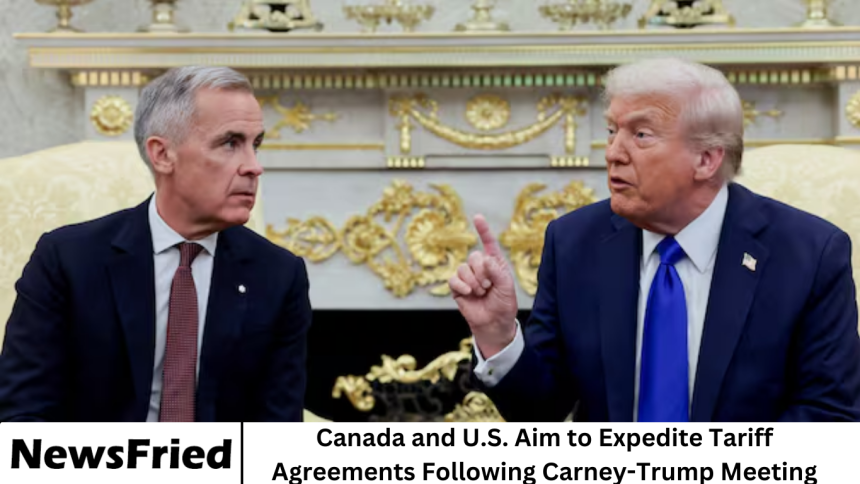
Trade relations between Canada and the United States have long been a cornerstone of North American economic stability. Following a recent high-profile meeting between Bank of Canada Governor Mark Carney and former U.S.
President Donald Trump, both nations are signaling an urgency to expedite tariff agreements. These discussions are not just routine diplomatic engagements—they have far-reaching implications for industries, supply chains, and the broader economy.
The meeting comes at a critical time when global trade dynamics are shifting, and protectionist policies have created uncertainties for exporters and importers alike. By accelerating tariff negotiations, Canada and the U.S. aim to reduce trade barriers, enhance market access, and create a more predictable trading environment for businesses on both sides of the border.
The Context Behind Canada-U.S. Tariff Discussions
Historical Trade Relations
Canada and the United States share one of the largest and most integrated trading partnerships in the world. The United States-Mexico-Canada Agreement (USMCA), which replaced NAFTA, set the stage for more modernized trade frameworks. However, lingering issues around tariffs, particularly in sectors such as steel, aluminum, and agriculture, have occasionally strained relations.
Tariff Challenges and Their Economic Impact
Tariffs are taxes imposed on imported goods, often to protect domestic industries. While they can safeguard local jobs, tariffs also increase costs for consumers and businesses. For Canada, U.S. tariffs on steel and aluminum in recent years have created significant challenges for manufacturers and exporters. The pressure to resolve these disputes has grown, especially as supply chains face global disruptions.
Carney-Trump Meeting: A Turning Point
The meeting between Mark Carney and Donald Trump marked a significant diplomatic step. Carney, known for his deep understanding of global financial markets, brought economic expertise to the table. The discussions centered on identifying solutions that could quickly ease tariff tensions, protect jobs, and maintain a balanced trade environment.
Why Expedited Tariff Agreements Matter
Benefits for Businesses
By moving swiftly on tariff agreements, both Canada and the U.S. aim to provide certainty for businesses. Reduced tariffs mean lower production costs for companies that rely on cross-border supply chains. For instance, Canadian auto parts manufacturers can export to the U.S. more competitively, while U.S. agricultural products gain better access to Canadian markets.
Economic Stability and Growth
Tariff reductions also promote broader economic stability. When trade flows smoothly, economies experience growth through increased exports, higher consumer spending, and stronger investment. For Canada, securing favorable terms with the U.S. is crucial for sustaining GDP growth, given that the United States remains the country’s largest trading partner.
Consumer Benefits
Consumers stand to benefit as well. Lower tariffs can translate into more affordable goods, from everyday household items to automobiles. By reducing the costs associated with imported products, expedited agreements can ease inflationary pressures in both countries.
Key Sectors Impacted by Tariff Agreements
Steel and Aluminum
Historically, steel and aluminum tariffs have been a point of contention between Canada and the U.S. The recent discussions emphasize finding a mutually beneficial framework that allows for competitive exports without harming domestic industries.
Automotive Industry
The automotive sector is deeply integrated between Canada and the U.S. Tariff clarity ensures smoother operations for assembly plants and parts suppliers, which rely heavily on cross-border supply chains. Expedited agreements can prevent disruptions and maintain employment levels in this critical industry.
Agriculture and Food Products
Agricultural tariffs affect farmers and food exporters. Reduced barriers can improve market access for Canadian wheat, dairy, and poultry products in the U.S., while American corn, soy, and meat products can reach Canadian consumers more efficiently.
Strategies for Accelerating Tariff Agreements
Bilateral Negotiations
One of the primary strategies involves direct bilateral negotiations. By fostering open communication channels, both countries can quickly identify sticking points and explore creative solutions that satisfy domestic stakeholders.
Leveraging Trade Experts
Engaging experts with experience in international trade, economics, and industry-specific regulations allows both sides to draft agreements that are technically sound and economically beneficial. Carney’s involvement underscores the importance of having a knowledgeable mediator in these discussions.
Political and Economic Incentives
Expedited tariff agreements often require political will and economic incentives. Governments may offer concessions or temporary relief measures to facilitate faster negotiations while balancing domestic interests.
Challenges to Expedited Tariff Agreements
Domestic Pressure and Lobbying
While both governments aim to move quickly, domestic industries may exert pressure to maintain protective tariffs. Balancing international trade commitments with internal demands remains a complex task.
Geopolitical Considerations
Global trade dynamics, including relationships with China, Europe, and other key trading partners, can influence Canada-U.S. negotiations. Any agreement must account for broader geopolitical strategies to ensure long-term stability.
Compliance and Enforcement
Even after agreements are reached, monitoring compliance and enforcing tariff rules are critical. Mechanisms need to be in place to prevent disputes and ensure that trade flows as intended.
The Role of Economic Experts
Mark Carney’s Influence
As a former governor of the Bank of Canada and ex-Governor of the Bank of England, Carney brings unparalleled expertise in monetary policy and economic strategy. His involvement reassures both markets and policymakers that the discussions are informed by a comprehensive understanding of financial and trade dynamics.
Insights from Trade Economists
Trade economists play a pivotal role in quantifying the benefits of tariff reductions, forecasting economic impacts, and advising on potential risks. Their input ensures that agreements are both practical and beneficial in the long term.
What Expedited Tariff Agreements Could Mean for the Future
Strengthening North American Trade
Expedited agreements reinforce the North American trade ecosystem, making it more resilient to global shocks. They signal to international markets that Canada and the U.S. are committed to stable, predictable trade relations.
Encouraging Investment
Clear and favorable trade policies attract both domestic and foreign investment. Companies are more likely to invest in regions where tariff uncertainties are minimized, fostering job creation and economic growth.
Setting a Precedent
Successful expedited agreements could serve as a model for resolving future trade disputes, not only between Canada and the U.S. but also with other international partners.
Frequently Asked Question
What triggered the Carney-Trump meeting?
The meeting was prompted by ongoing trade tensions and the need to address tariffs affecting industries like steel, aluminum, and agriculture.
How will expedited tariff agreements benefit Canadian businesses?
They reduce costs, improve market access, and provide certainty for supply chains, especially in manufacturing and agriculture.
Which sectors are most impacted by these agreements?
Steel, aluminum, automotive, and agriculture are the primary sectors affected.
What role does Mark Carney play in these discussions?
Carney brings economic expertise, helping to guide negotiations with informed financial and trade insights.
How do tariff reductions affect consumers?
Consumers benefit from lower prices on imported goods and reduced inflationary pressures.
Are there any risks with expedited agreements?
Challenges include domestic political pressure, geopolitical considerations, and ensuring compliance with the agreements.
What does this mean for the future of Canada-U.S. trade?
Expedited agreements strengthen economic ties, encourage investment, and set a precedent for resolving future trade disputes.
Conclusion
The recent Carney-Trump meeting has set a proactive tone for Canada-U.S. trade relations. By aiming to expedite tariff agreements, both countries are taking critical steps toward strengthening economic ties, supporting industries, and providing benefits for consumers. While challenges remain, the emphasis on swift, well-informed negotiations demonstrates a shared commitment to a stable and prosperous North American economy. As discussions continue, businesses, investors, and consumers alike can look forward to a more predictable and collaborative trade environment.