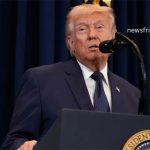
On February 18, as President Trump considered military strikes on Iran, Energy Secretary Chris Wright publicly minimized potential disruptions to oil markets. He noted that previous U.S. and Israeli strikes caused only minor fluctuations. “Oil prices blipped up and then went back down,” Wright said. Other advisers privately echoed this confidence, dismissing warnings that Iran could retaliate by blocking shipping lanes responsible for roughly 20 percent of global oil supplies.
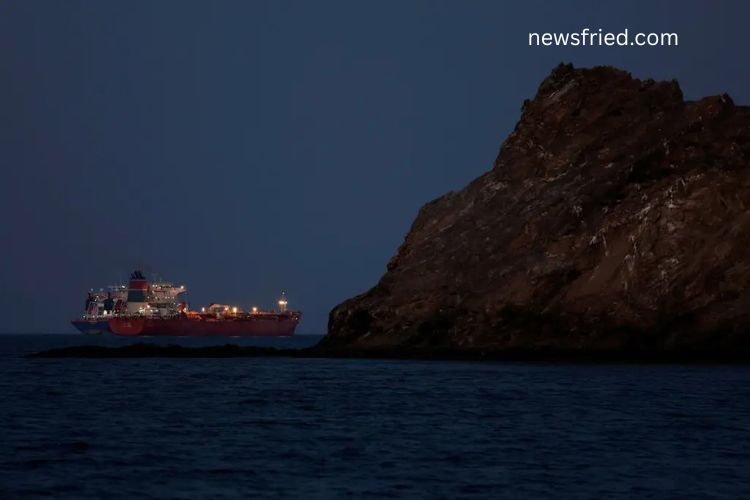
This assumption proved dangerously inaccurate. In the following days, Iran threatened attacks on commercial tankers navigating the Strait of Hormuz, a critical chokepoint for Persian Gulf exports. Shipping halted, oil prices surged, and the Trump administration scrambled to stabilize an economic crisis that immediately raised gasoline costs for Americans.
Read More: Shocking Recall Sparks Fear Among Diabetics as Faulty Glucose Monitors Linked to 7 Tragic Deaths
Iran’s Aggressive Retaliation
The escalation revealed how profoundly Trump and his advisers misjudged Tehran’s likely reaction. Iran responded far more aggressively than during the 12-day confrontation the previous June, launching missiles and drones targeting U.S. military bases, regional cities, and Israeli population centers.
U.S. officials were forced to adjust quickly, from emergency embassy evacuations to drafting policies to control domestic gas prices. Senator Christopher S. Murphy noted that the administration lacked a clear plan for reopening the Strait of Hormuz safely, signaling serious domestic and international concerns.
Conflicting Strategies Within the White House
Within the administration, officials privately grew pessimistic about the absence of a comprehensive strategy. Yet they remained cautious in their communications with the president, who consistently portrayed the operation as fully successful. Trump pursued maximalist objectives, demanding Iran’s leadership acquiesce to U.S. terms, while Secretary of State Marco Rubio and Defense Secretary Pete Hegseth advocated narrower tactical goals, leaving room for a short-term off-ramp.
White House Press Secretary Karoline Leavitt defended the administration’s approach, asserting they had a “strong game plan” and promising that oil prices would fall once the conflict ended. She characterized Iran’s disruption of energy markets as temporary, necessary to eliminate threats to U.S. and global security.
Pentagon Caught Off Guard
Hegseth acknowledged that Iran’s regional strikes caught the Pentagon somewhat off guard but framed them as evidence of Tehran’s desperation. Meanwhile, Trump voiced frustration over oil supply disruptions, urging tanker crews to “show some guts” and navigate the Strait despite threats.
Some advisers had foreseen Iran’s aggressive response, but others assumed removing senior Iranian leadership would lead to more pragmatic successors, potentially shortening the conflict. Trump downplayed warnings that oil prices could spike and directed Wright and Treasury Secretary Scott Bessent to prepare contingency measures, including political risk insurance and potential U.S. Navy escorts. However, these plans were publicly announced more than 48 hours after hostilities began—and the escorts have yet to occur.
Market Volatility and Intelligence Warnings
Wright inadvertently fueled market instability by posting that a tanker had been successfully escorted through the Strait of Hormuz. When the post was deleted, investor uncertainty returned. Intelligence reports indicated Iran was preparing to lay mines in the strait, prompting U.S. forces to strike 16 mine-laying vessels preemptively.
The conflict rattled global markets. Rising oil prices worried Republican lawmakers concerned about domestic economic narratives ahead of midterm elections. Trump suggested Venezuelan oil could offset supply shocks while announcing a new Texas refinery to protect long-term market stability.
Lessons from Past Conflicts
Confidence in keeping shipping lanes open surprised analysts, given Trump’s prior campaign against Iran-backed Houthis in Yemen, which had disrupted Red Sea commerce. At the time, Trump stressed that no terrorist force would prevent American commercial and naval vessels from operating freely.
Despite assurances, Trump’s messaging remained inconsistent. Privately, aides expressed frustration over unclear communication regarding military objectives. Publicly, Trump alternated between suggesting the conflict could last more than a month and declaring it “very complete, pretty much,” while emphasizing continued determination.
Coordinated Messaging by Rubio and Hegseth
Rubio and Hegseth presented a consistent narrative focused on three primary goals: destroy Iran’s missile launch capability, eliminate missile production facilities, and neutralize its naval forces. This framework aimed to provide clear objectives while preparing the ground for a shorter resolution.
Trump highlighted successes in degrading Iran’s missile program and naval capabilities but warned of further action should Iran attempt to obstruct energy supplies. Former Deputy National Security Adviser Matthew Pottinger noted that Trump appeared prepared to extend military objectives if Tehran continued to signal defiance, emphasizing the desire to avoid a “sequel” war.
Escalating Costs and Oil Market Pressure
Urgency for an off-ramp increased as oil prices climbed and U.S. munitions were rapidly expended. Pentagon officials reported that $5.6 billion worth of munitions were used in the first two days alone—a rate far higher than previously disclosed. Meanwhile, Iran leveraged control over global energy flows to pressure the U.S. and Israel.
Ali Larijani, Iran’s top national security official, stated that the Strait of Hormuz would either be a “Strait of peace and prosperity for all” or a “Strait of defeat and suffering for warmongers,” underscoring Tehran’s leverage and the high stakes of the conflict.
Strategic Takeaways
The crisis demonstrates the risks of misjudging an adversary’s intentions, particularly in regions controlling critical resources. It highlights the challenge of aligning military objectives with economic stability and public messaging during high-stakes international crises. The administration faced a delicate balance between pursuing strategic goals, maintaining energy security, and ensuring coherent communication.
Global attention remains fixed on the Persian Gulf, with outcomes potentially reshaping U.S. foreign policy, energy markets, and regional stability. Analysts note that the administration’s miscalculation illustrates the cascading consequences of underestimating an opponent while reinforcing the importance of flexible strategy, clear messaging, and preparedness in navigating complex conflicts.
Frequently Asked Questions:
What mistake did Trump and his advisers make regarding Iran’s response?
Trump’s team assumed Iran would react moderately to U.S. and allied military action in the region, especially in terms of oil and shipping. They expected any disruption—like threats to oil shipments through the Strait of Hormuz—to be short‑lived and limited, similar to past incidents. Instead, Iran responded aggressively, including threats and actions that halted commercial shipping and spiked oil prices globally, revealing a serious strategic miscalculation.
Why was the Strait of Hormuz central to this misjudgment?
The Strait of Hormuz is a critical waterway for global energy markets because a large share of the world’s crude oil and LNG passes through it. Iran’s threats to disrupt shipping there had far greater economic impact than U.S. planners anticipated, contributing to sharp oil price increases.
How did this miscalculation affect global oil markets?
Iran’s actions near Hormuz caused shipping to stall and oil prices to rise sharply, creating an energy crisis that reverberated across global markets. Efforts to contain the fallout became a major task for U.S. officials, who had previously downplayed such risks.
Did Trump have a plan for the economic consequences?
Trump was reportedly made aware of possible oil price spikes and directed advisers to develop contingency options. However, these plans—such as naval escorts or risk insurance—were not publicly communicated or implemented until after the conflict escalated, increasing market uncertainty.
Has the conflict shifted toward diplomacy?
Recent developments suggest the U.S. postponed certain strikes against Iran while saying talks were “productive” in an effort to de‑escalate the crisis and encourage reopening of Hormuz. However, Tehran has publicly denied direct negotiations with Washington, and tensions remain high.
What has been Iran’s stance in response?
Iran has maintained a defiant position, signaling that it could leverage its control over Hormuz to pressure the U.S. and its allies. Iranian officials have framed the strait as a bargaining chip while rejecting claims of formal talks.
How have markets and investors reacted?
Analysts warn that many investors may be underestimating the economic implications of the conflict. The ongoing risk to energy supplies and lack of a clear resolution could sustain volatility in oil and commodities markets.
Conclusion
The Iran crisis underscores the high stakes of strategic miscalculations in international affairs. Trump and his advisers underestimated Tehran’s willingness and capability to respond aggressively, particularly in leveraging the Strait of Hormuz to disrupt global oil markets. The resulting economic turmoil, coupled with military escalations, revealed the fragile balance between achieving military objectives and maintaining energy security. This episode offers a clear lesson: even experienced leadership can face severe repercussions when an adversary acts unpredictably.