A week and a half after the U.S. and Israeli military launched coordinated strikes on Iran, national polls show growing skepticism among American voters. According to the latest Quinnipiac University survey, over half of respondents oppose U.S. military action, signaling widespread public hesitation over the operation dubbed Epic Fury, which has claimed the life of Iran’s Supreme Leader, Ayatollah Ali Khamenei, and significantly weakened the country’s military infrastructure.
Public Opinion Shows Widening Partisan Divide
The Quinnipiac poll, conducted from Friday through Sunday, found that 53% of Americans oppose the military operation, while 40% support it. The survey reflects a sharp partisan divide. Among Republicans, 85% back the strikes, citing national security concerns. In contrast, nearly 80% of Democrats and 60% of independents disapprove, voicing fears that the operation may escalate regional tensions and compromise U.S. safety.
These findings align with other recent surveys. NPR/PBS/Marist polls indicated 44%–55% support, CBS News reported 44%–56%, NBC News 41%–54%, Washington Post 39%–52%, CNN 41%–59%, and Reuters/Ipsos 27%–43%. While numbers vary slightly, the trend is clear: support for U.S. military action remains limited and politically polarized.
The latest Fox News poll conducted February 28 through March 2, however, showed Americans split evenly, with 50% supporting and 50% opposing the military campaign. Other national surveys conducted over the past two weeks presented majority or plurality backing, illustrating how public opinion remains volatile amid evolving events in the Middle East.
Republican Support vs. Democratic Opposition
The contrast between political parties is stark. More than eight in ten Republicans approve of the U.S. use of force, with six in ten believing President Trump’s decisions have strengthened national security. Democrats and independents, however, largely disagree. Approximately eight in ten Democrats and six in ten independents view the strikes as a threat to safety, expressing deep concern over escalating tensions.
Quinnipiac’s survey underscores these partisan perspectives. The majority of Democrats and a significant portion of independents opposed the strikes, while 85% of Republicans endorsed the military action. The split reflects broader debates about America’s role in global conflicts and the proper response to international threats.
Perceptions of Iran’s Threat Level
Poll respondents also weighed in on the perceived threat from Iran before the attacks. 55% said Iran did not pose an imminent threat to the U.S., while nearly four in ten disagreed. Once again, political affiliation influenced responses: 83% of Democrats and 63% of independents doubted the immediacy of the threat, whereas nearly three-quarters of Republicans agreed that Tehran posed a direct danger.
Interestingly, when asked about the potential deployment of U.S. ground troops, Americans across the political spectrum showed broad opposition. Nearly three-quarters of all voters rejected sending ground forces, including 95% of Democrats, 75% of independents, and 52% of Republicans. Despite this reluctance, President Trump and Defense Secretary Pete Hegseth have not ruled out ground troop involvement in Iran.
Timeline of the Conflict and Public Expectations
Poll respondents offered varying estimates of how long the conflict could last. Only 3% anticipated the fighting would end within days, 18% predicted weeks, and 32% expected months. Thirteen percent believed the attacks could last up to a year, and over a quarter suggested the conflict might extend beyond a year.
President Trump, addressing the duration of military operations, remained defiant. He described the strikes as an “excursion” and stated, “Everything they have is gone, including their leadership,” indicating that the administration expects a decisive, albeit potentially prolonged, campaign.
Quinnipiac University polling analyst Peter Malloy noted, “Perhaps compelled by memories of long wars, Americans see no early end to the enormous upheaval in the Middle East,” highlighting the public’s cautious stance amid a volatile geopolitical landscape.
Trump’s Response to Polling Data
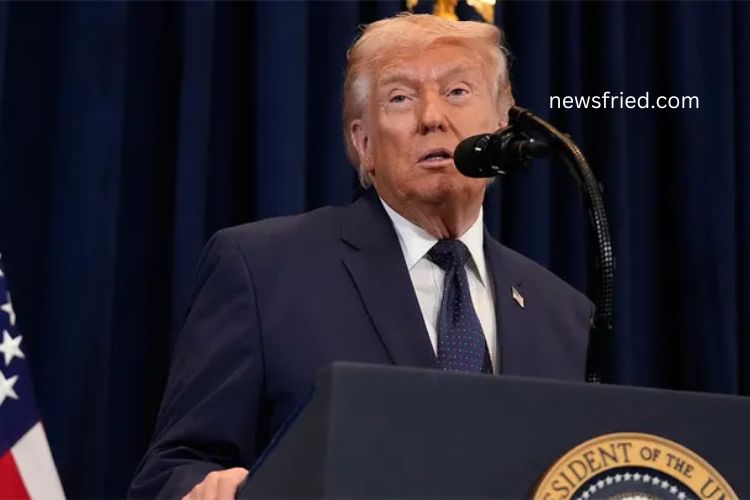
Despite unfavorable poll numbers, President Trump has consistently downplayed public opinion. In a statement to the New York Post on March 2, he emphasized, “I don’t care about polling. I have to do the right thing. This should have been done a long time ago.”
At the time of the Quinnipiac survey, Trump’s overall approval rating stood at 37%, with 57% disapproving of his performance in the White House. Other recent polls showed slightly higher approval: 43% in the Fox News survey and 44% in NBC News polling. Averaging multiple national surveys, Trump’s approval rating hovers around 43%, with disapproval at 54%.
Regional Repercussions and Military Strategy
The U.S.-Iran conflict has already triggered retaliatory strikes in Israel and other nations in the Middle East. Thick plumes of smoke rising above Tehran underscore the intensity of the ongoing military operations. Analysts warn that the campaign’s outcome could reshape regional stability and influence U.S. foreign policy for years to come.
While public sentiment remains cautious, the administration has emphasized the decisive nature of the strikes and the intent to minimize prolonged engagement. However, uncertainty remains, particularly regarding the potential use of ground forces and long-term consequences for U.S. security.
Frequently Asked Questions:
What do recent polls say about American support for the Iran strikes?
Recent national polls show that a majority or plurality of Americans oppose U.S. military strikes on Iran, with several surveys indicating disapproval ratings above approval. In some polls, as few as about one in four Americans support the strikes, while larger shares express opposition or uncertainty.
Why is there such strong public opposition?
Public concern stems from fears that military action could escalate the Middle East conflict, harm U.S. security, lead to economic impacts like rising oil prices, and lack clear objectives. Many Americans also believe the administration hasn’t clearly explained its goals for the strikes.
Are all Americans united in opposing the strikes?
No. Opinion is deeply divided along party lines. Republicans are far more likely to support the military action, while Democrats and independents tend to oppose it. Some polls find Republican approval above 50%, whereas Democratic support is often in the single digits.
How do Americans feel about sending ground troops to Iran?
Across multiple surveys, vast majorities oppose deploying U.S. ground troops in Iran. Even among Republicans, support for ground troop deployment is much lower than support for airstrikes or military action.
Do polls show Americans expect a short or long conflict?
Most Americans believe the conflict with Iran will last months or longer, rather than ending quickly. Large shares across party lines think this could be a prolonged engagement.
Do Americans think Trump’s handling of the situation is effective?
Many polls show more Americans disapprove than approve of how President Trump is managing the Iran conflict. Approval ratings on this issue tend to be lower than overall presidential approval.
Does public opinion matter on military decisions like this?
While public opinion influences political pressure and congressional action, foreign policy decisions ultimately rest with the president and lawmakers. However, sustained public opposition can affect legislative support, future elections, and diplomatic strategy.
Conclusion
Recent polls reveal a deeply divided American public over U.S. military strikes in Iran. While Republicans largely support the operation, Democrats and independents express serious concern over escalation, national security, and the lack of clarity on long-term objectives. The majority of Americans oppose sending ground troops, and most believe the conflict could last months or longer, reflecting widespread caution about prolonged engagement in the Middle East.